Tamarack Ridge W7I/NI-256

Miles: 2.66
Gain: 497ft
QSOs: 6
Points: 1

A relatively easy summit to bag, the biggest cost was the time it took drive the Forest Service roads to get to the start. This is Idaho, so it should go without saying that there’s logging activity. I keep thinking I should nab myself a little CB radio so I can monitor the posted channels when I head into these areas.
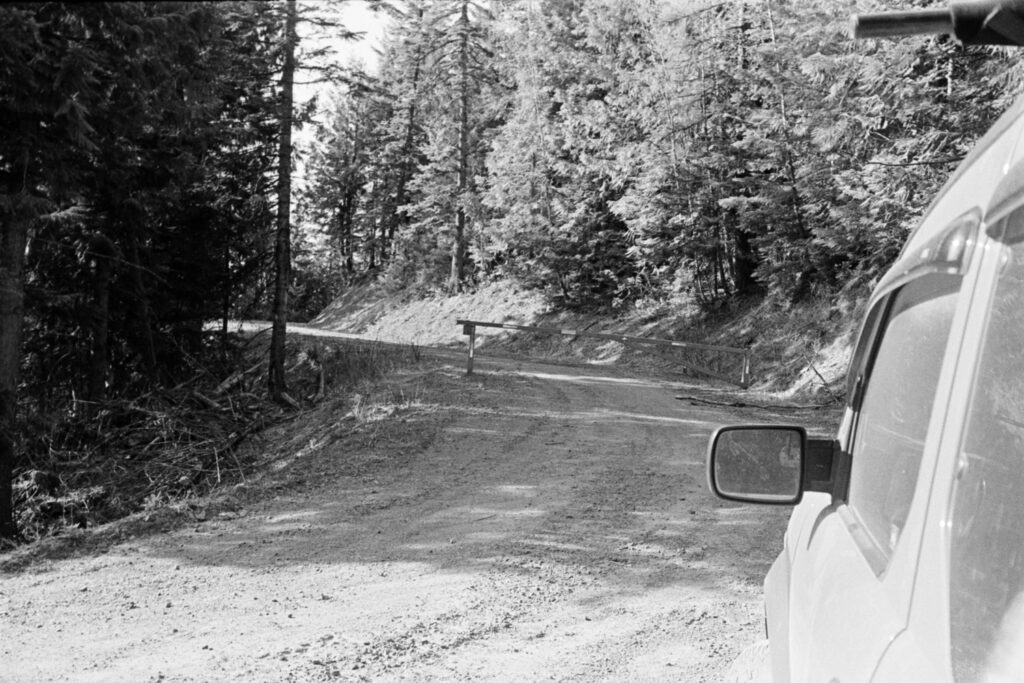
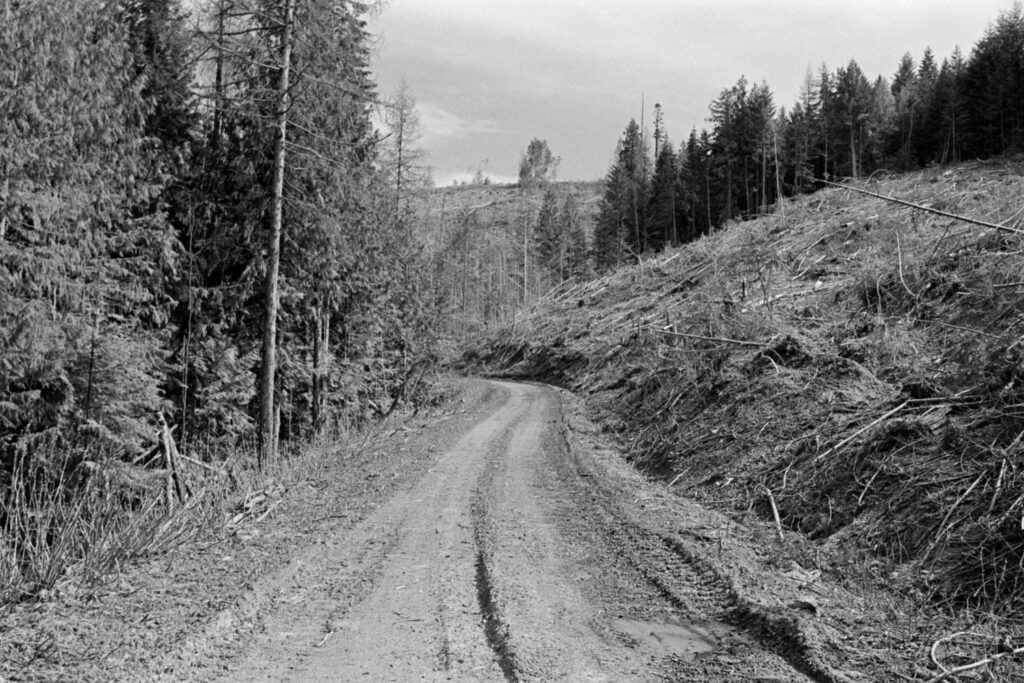
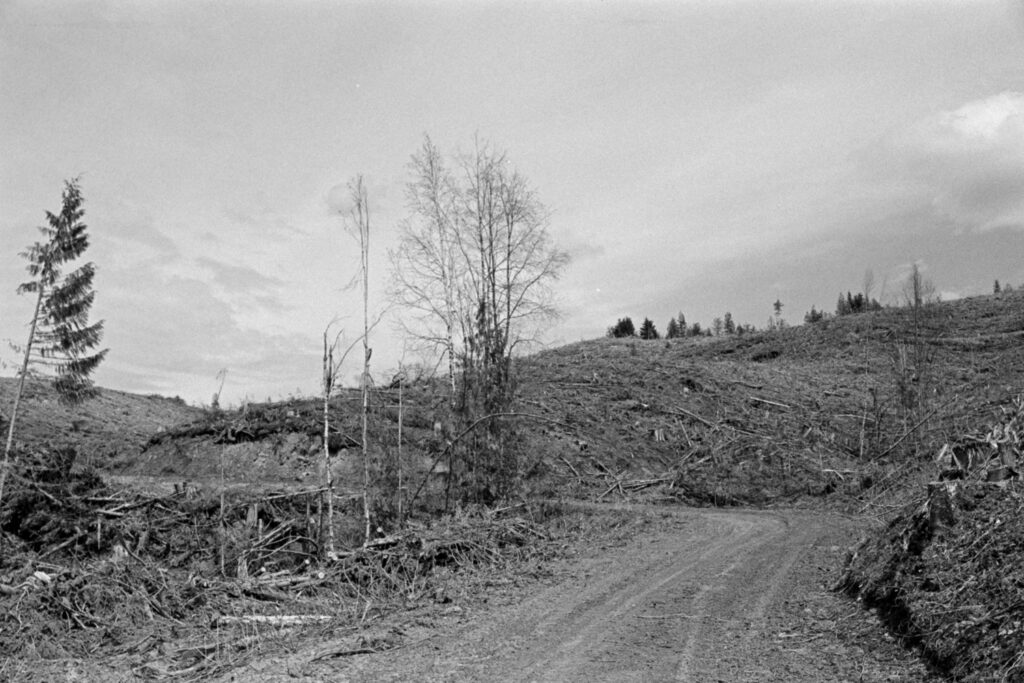
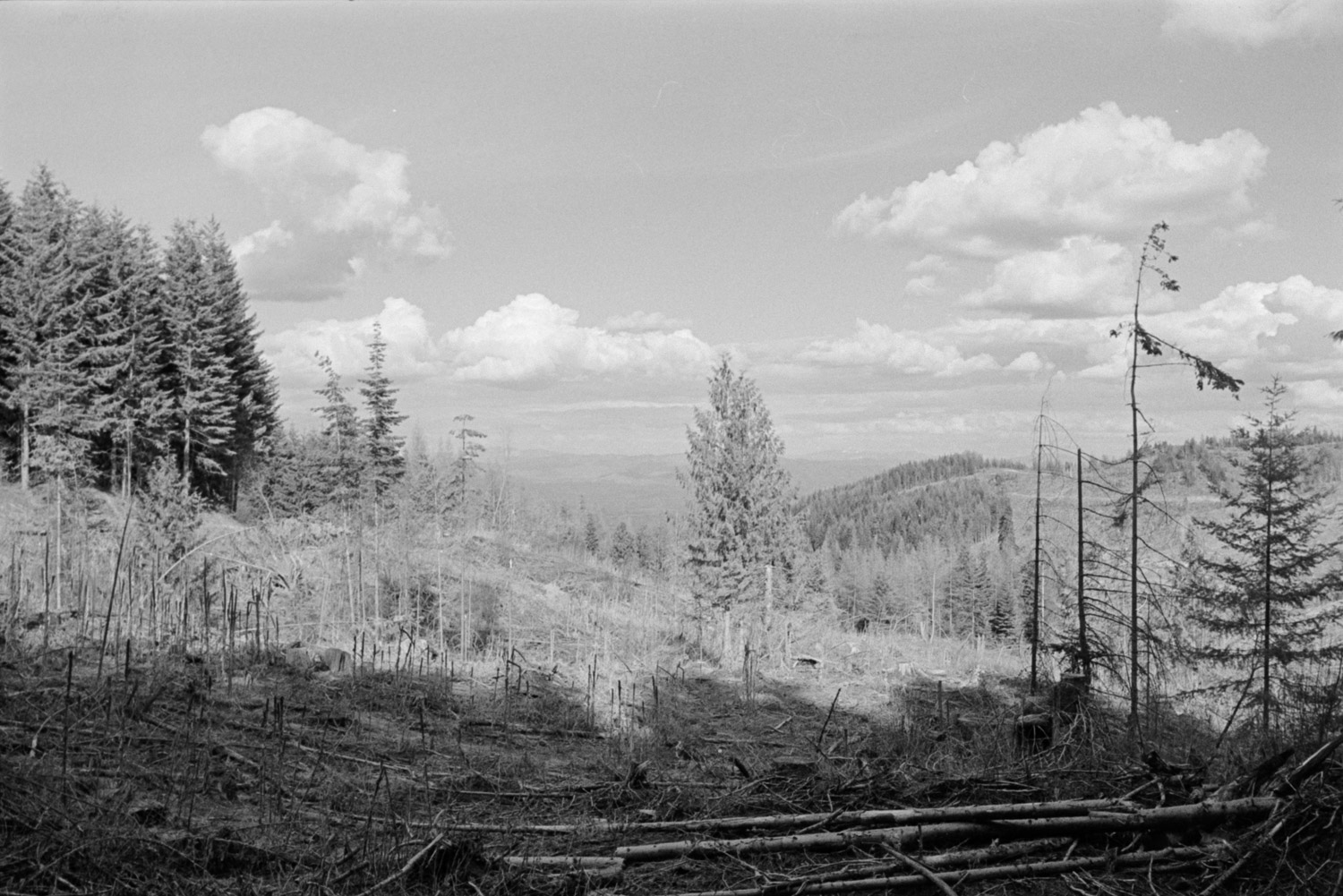
Plenty of parking area at the gated start, there was a nice trickle of fresh snow melt coming off the hillside. The walk in was a gradual climb that’s hardly worth mentioning. Once getting a bit higher, coincidentally where all of the trees are cut down, the views are rather interesting if you can look past the coniferous carnage (pardon my poetry).
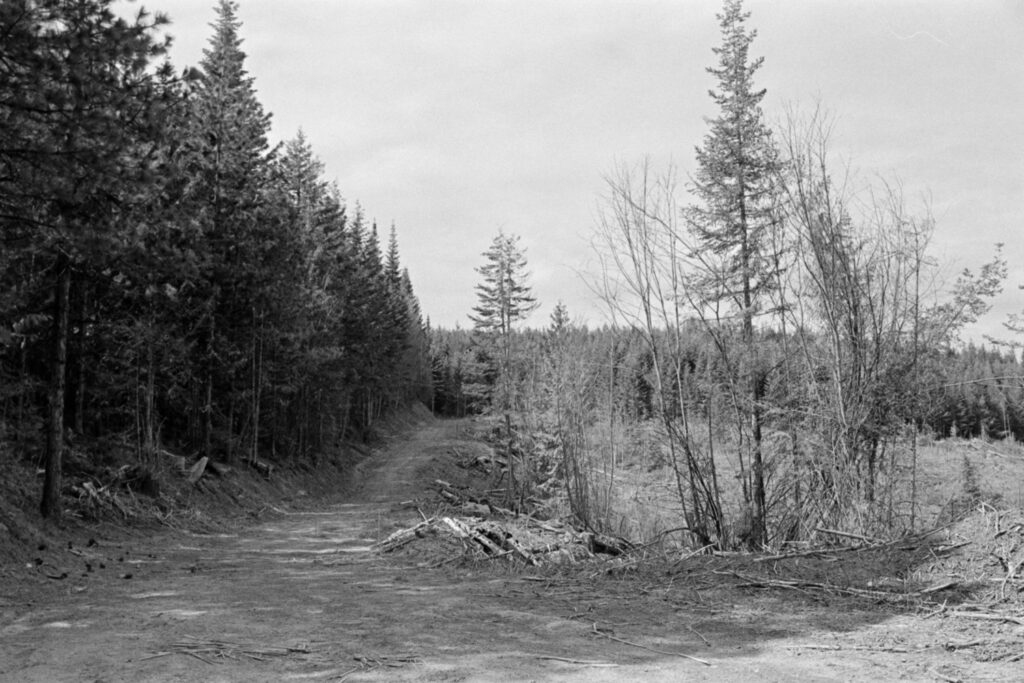
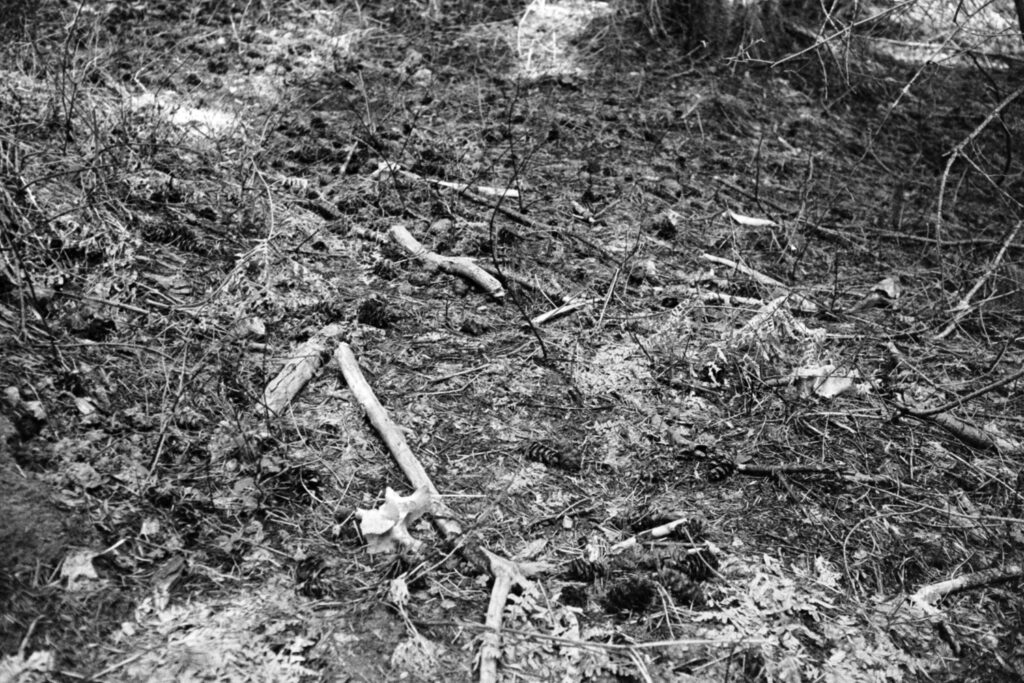
At some point there road turns and you might be tempted to follow it, but going straight through the trees and right up the side of the hill is the quicker option. The true summit was a little difficult to find as the veg was pretty thick and I don’t think the map data is totally accurate. Regardless, I made it to where the GPS pointed me and was within the activation zone, so up the goes the wire.
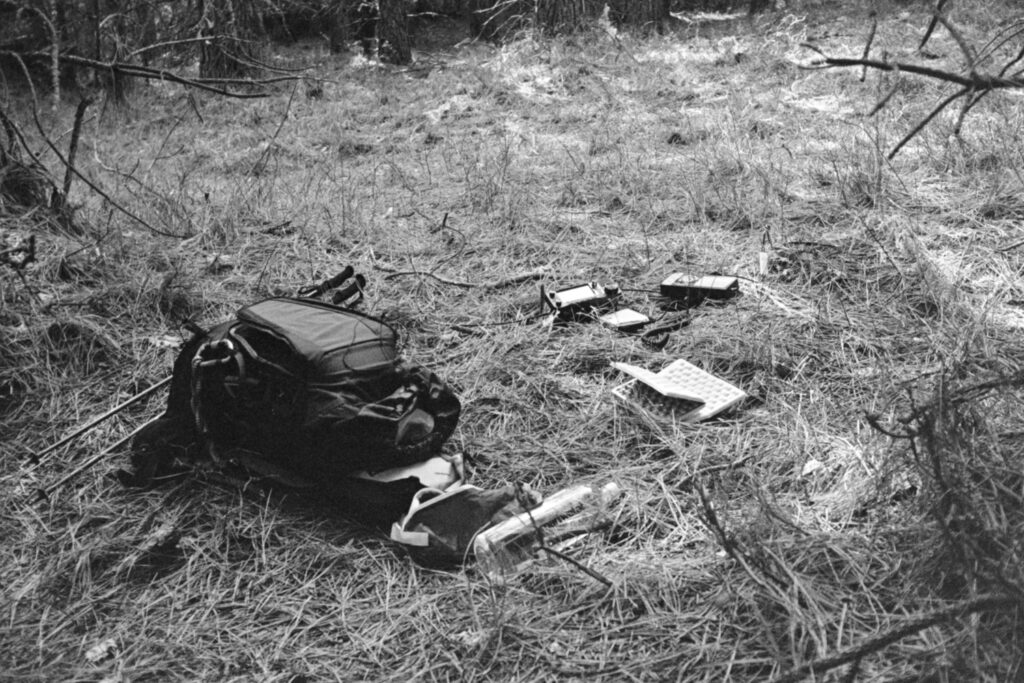
The 20-meter band was BUSY so after answering WD9DWD’s CQ for the Handiham‘s QSO event (a long-distance Idaho to Idaho call), I spotted myself and was greeted by personal chasers N0WAE and WW7D, plus a couple of summit-to-summits which I always enjoy.

Back down the car for a nice drive out and a celebratory pint of Pilsner at Pour Company. Gotta pat myself on the back for a good afternoon touching grass and nabbing another first activation.

Bracken Point W7W/WE-056

Miles: 5.76
Gain: 1463ft
QSOs: 4
Points: 4

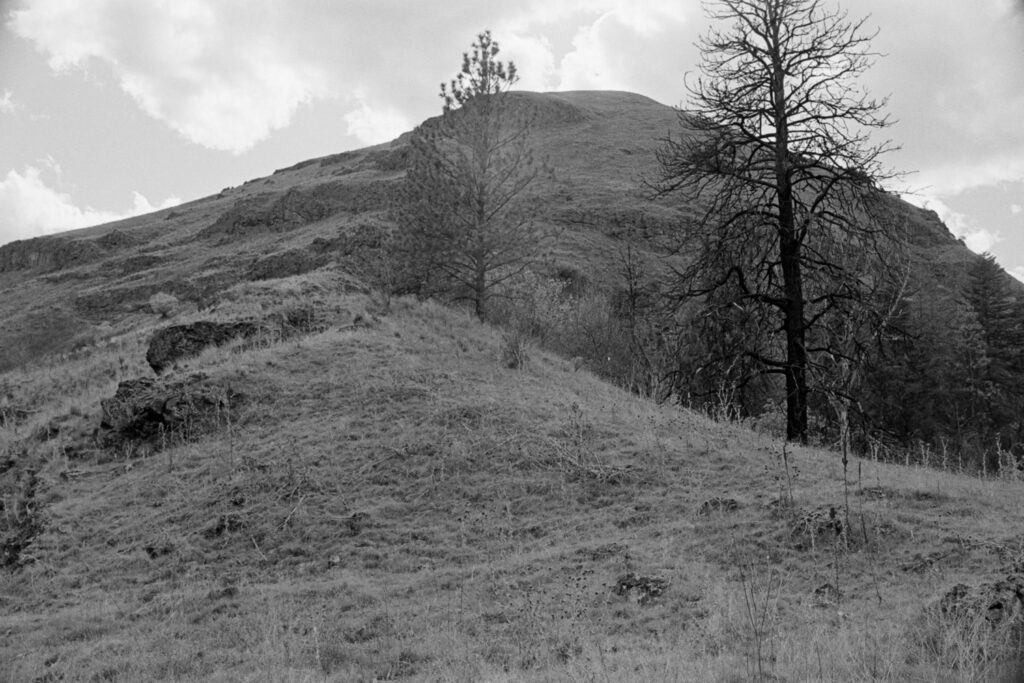
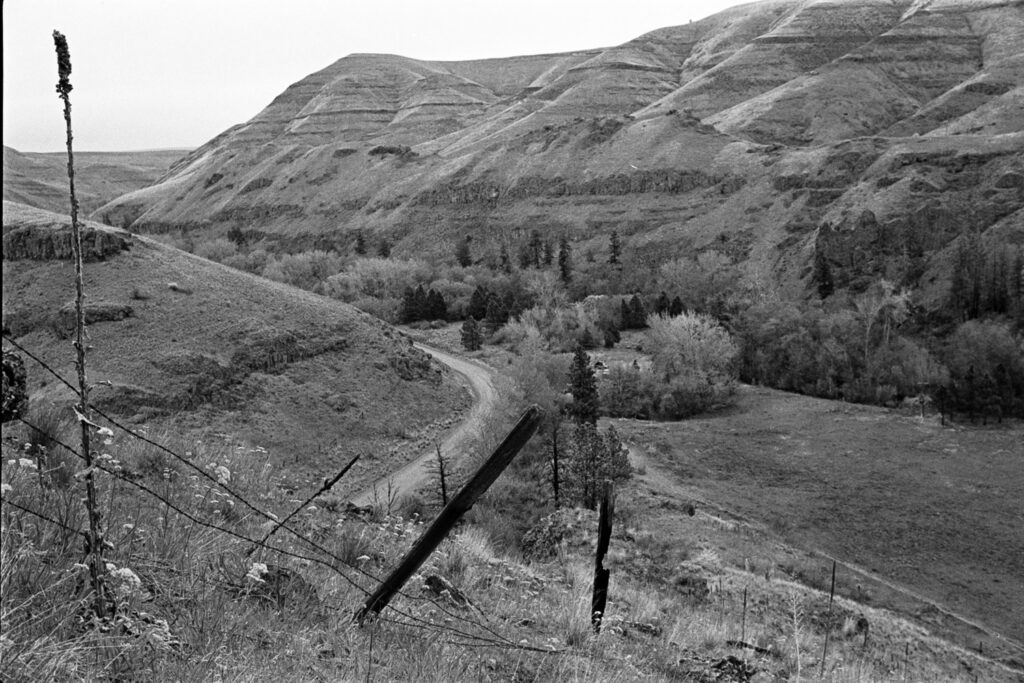
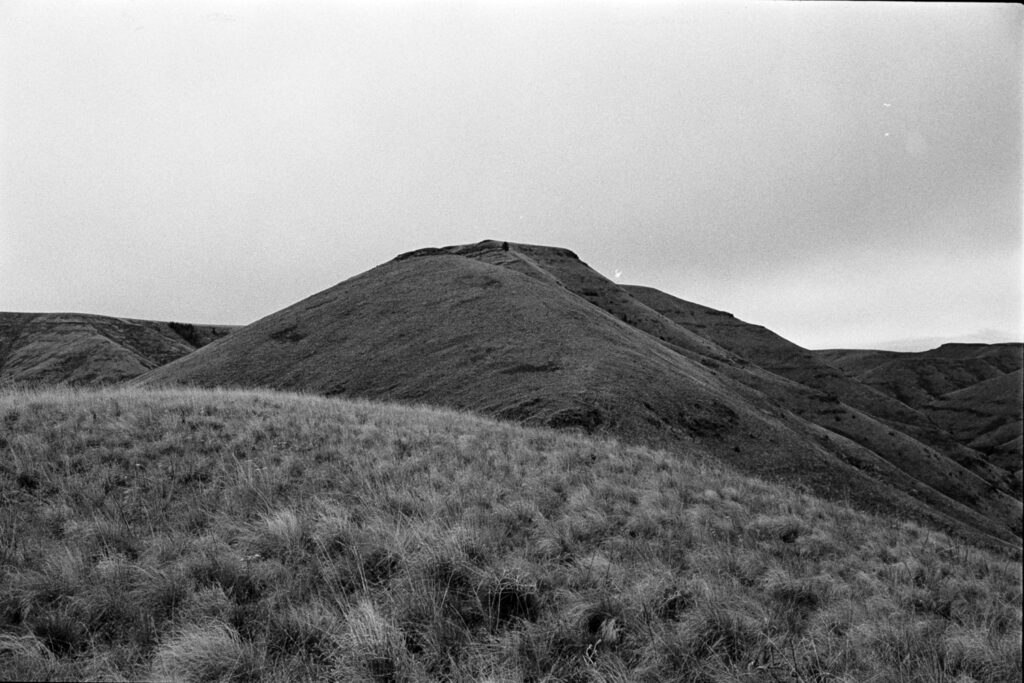
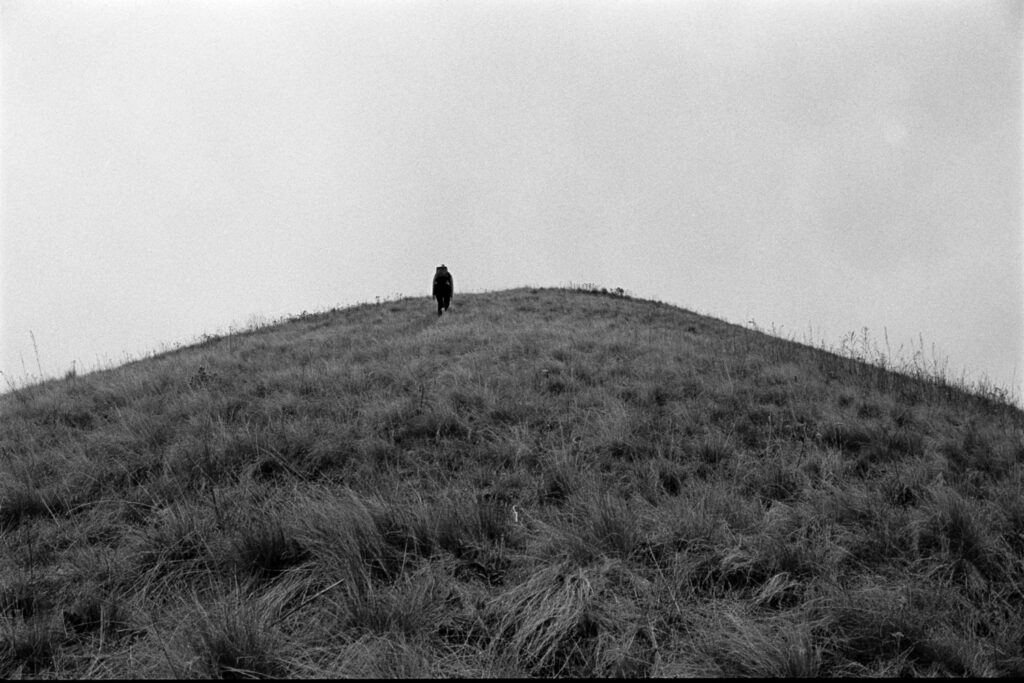
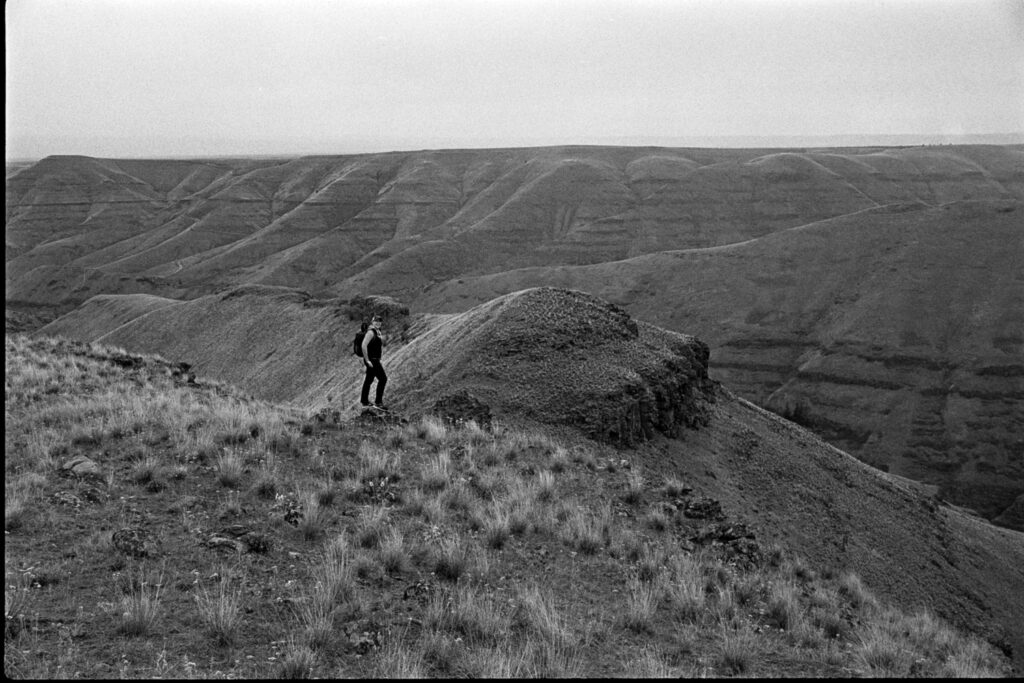
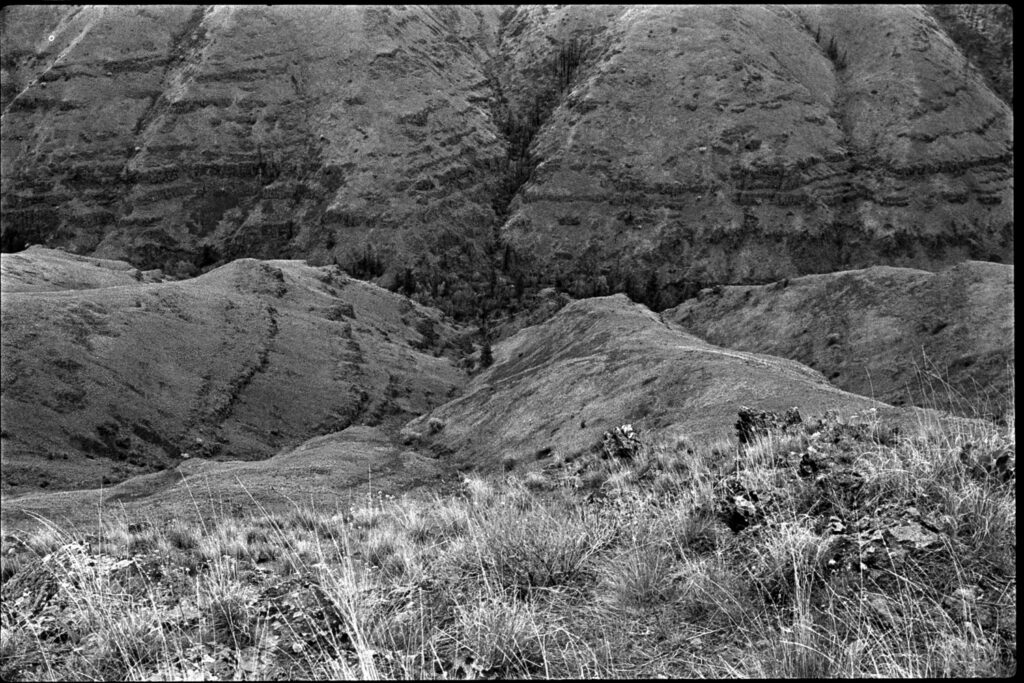
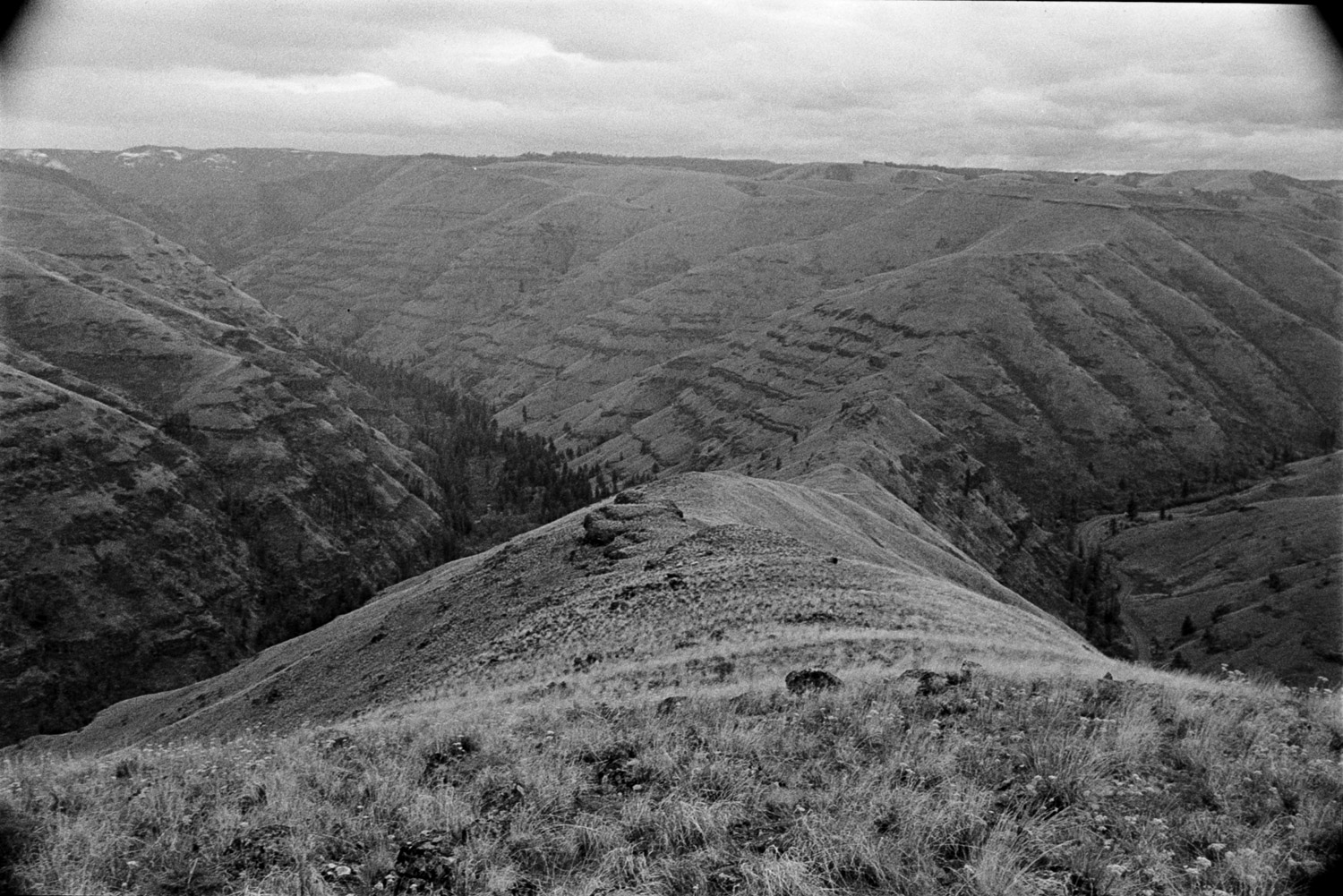
Almost immediately after leaving the parking lot, the ascent up the side of the ridge begins. It’s steep—gaining over 600 feet in the first quarter mile or so. The traverse across the ridgeline continues for another two miles, with plenty of additional climbing, until we topped out at the high point which felt like a flat, grassy mesa.

Start of the climb, looking back towards the parking lot.

During the approach we saw a herd of bighorn below us to the south and watched a fast-moving group of mule deer book it across the draw.

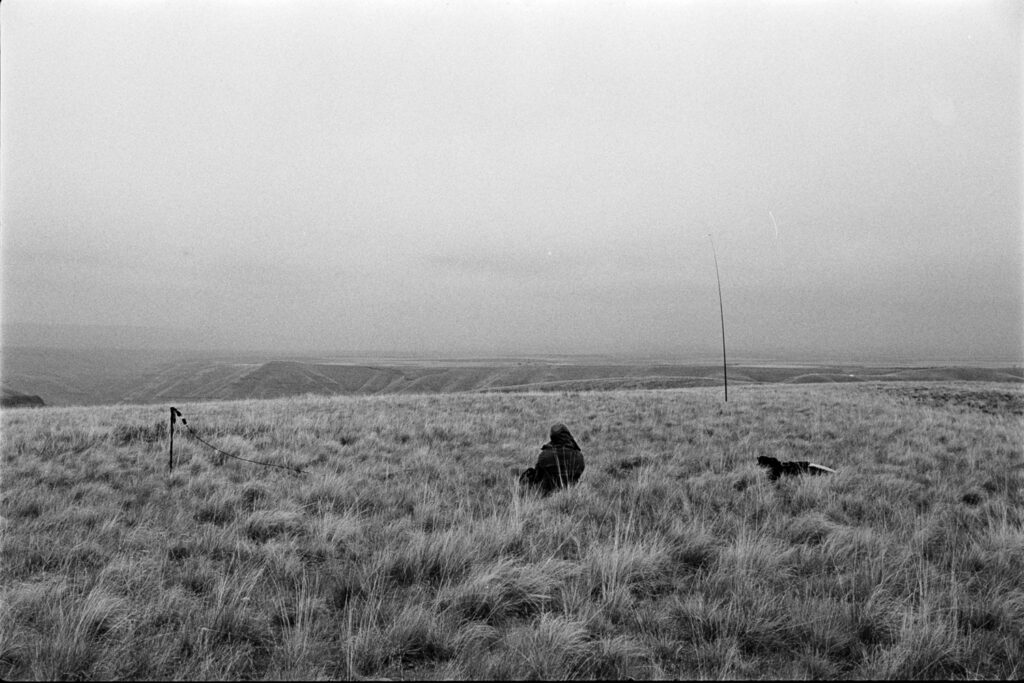
There were no trees in the activation zone, which made for a great 360 view of the surrounding hills and distant snow-capped mountains. As soon as the antenna was up, rain began to sprinkle on us. After four QSOs, which took about 20 minutes, the rain was falling heavier and it felt like a smart idea to get off the ridge.

A nice place to stop, except for the rain.

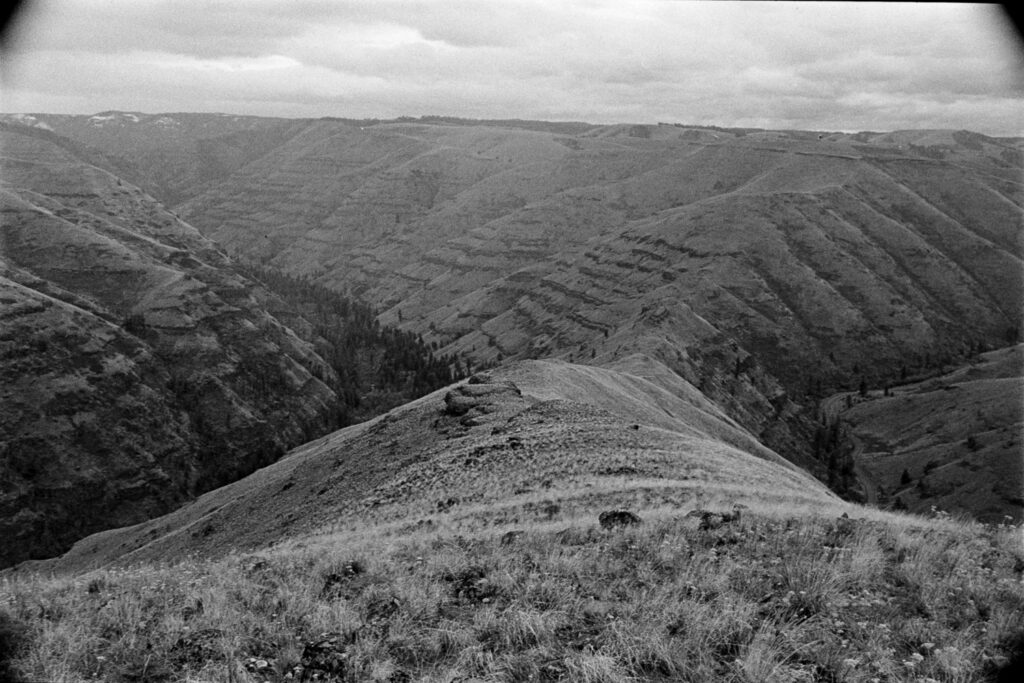
Route-finding back down towards the trail was steep, rocky, and a little sketch. We randomly found a geocache at the base of a rock spire so I stopped to write in the logbook and Corrie tossed in a friendship bracelet.

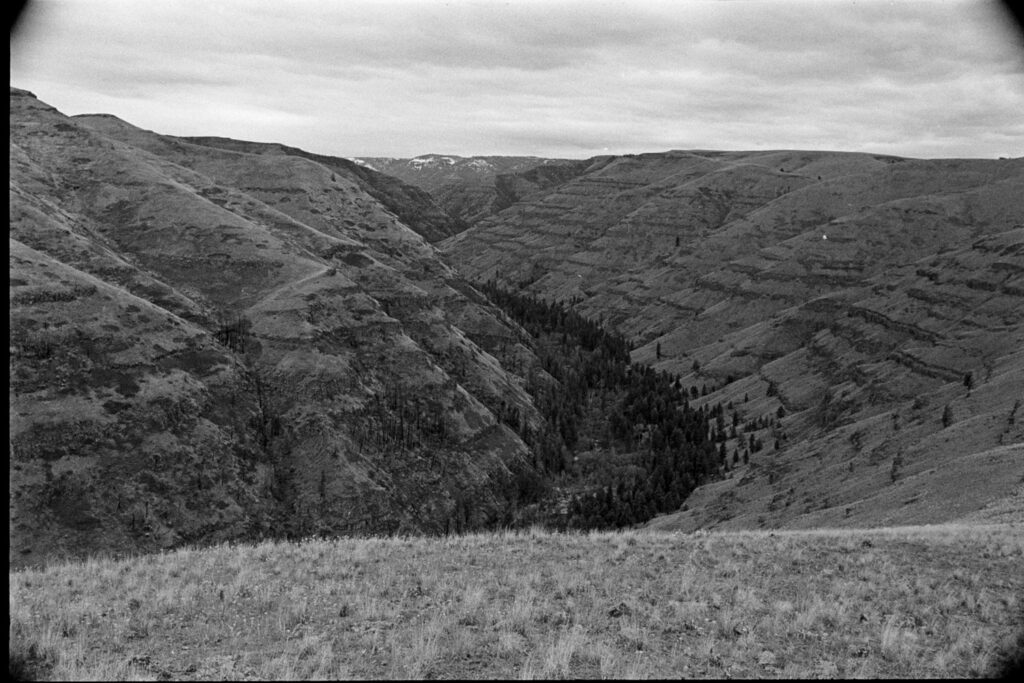
The descent doesn’t look all that inviting.
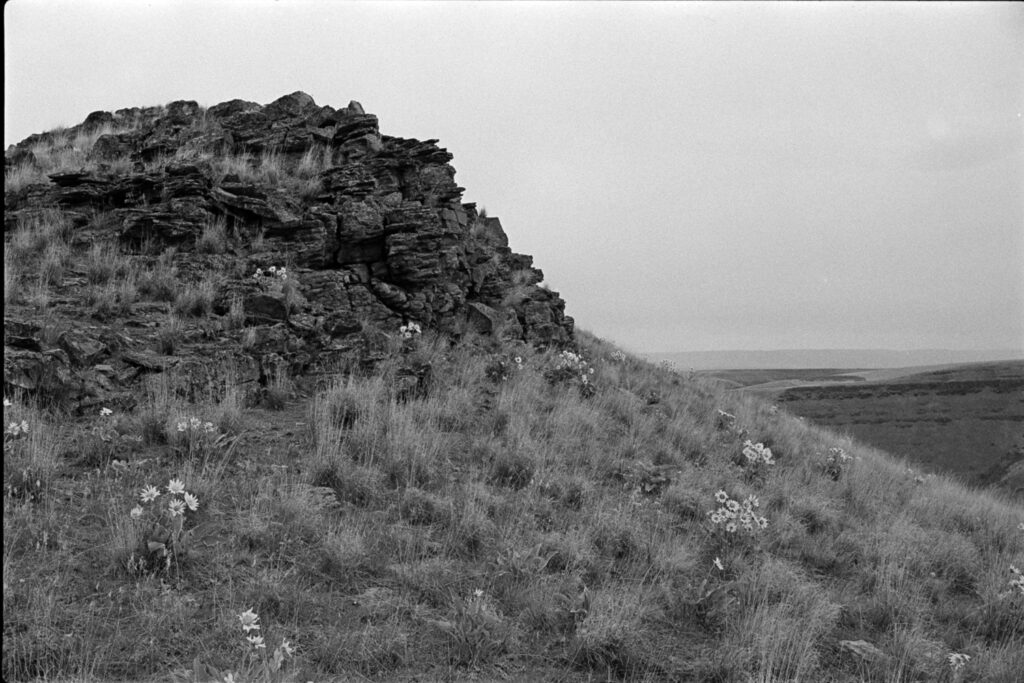
Wildflowers were out. Spring is here!

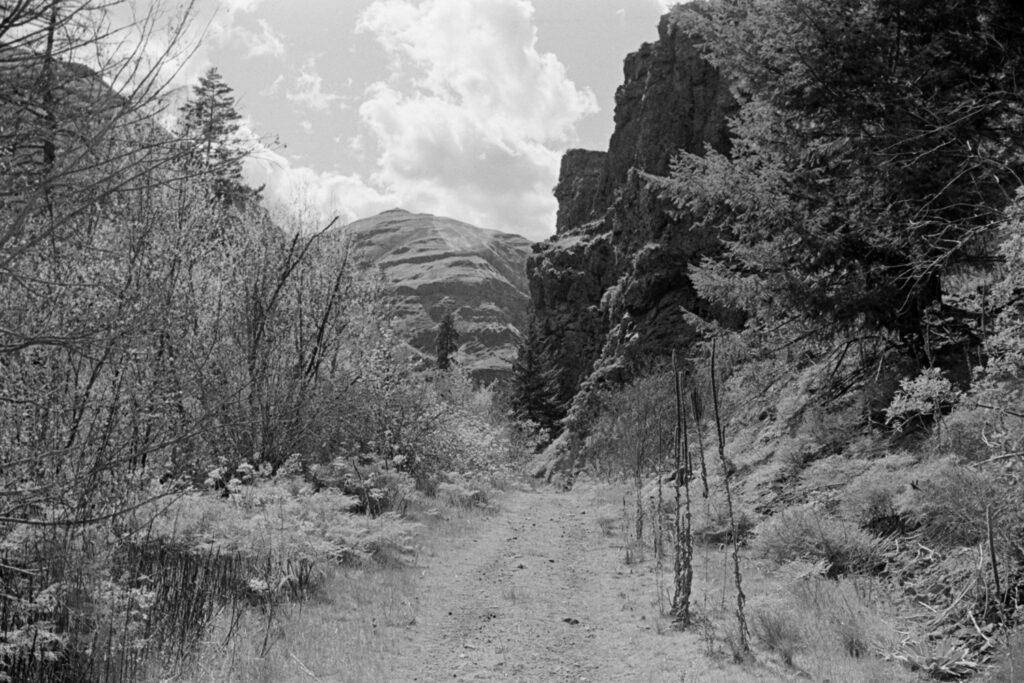
Returning on the trail felt wildly fast and easy after spending 3 hours navigating the cross-country route above.

This could be done in reverse, but we both agreed that the idea of descending the eastern section that we initially went up seemed scary; we’d probably do it counter-clockwise again.

Last shot of the roll—the obligatory “selfie”.

A Snowy Spring FA: W7I/NI-274

Summit: W7I/NI-274 “Hill 3860”
Miles: 3.42
Gain: 687ft
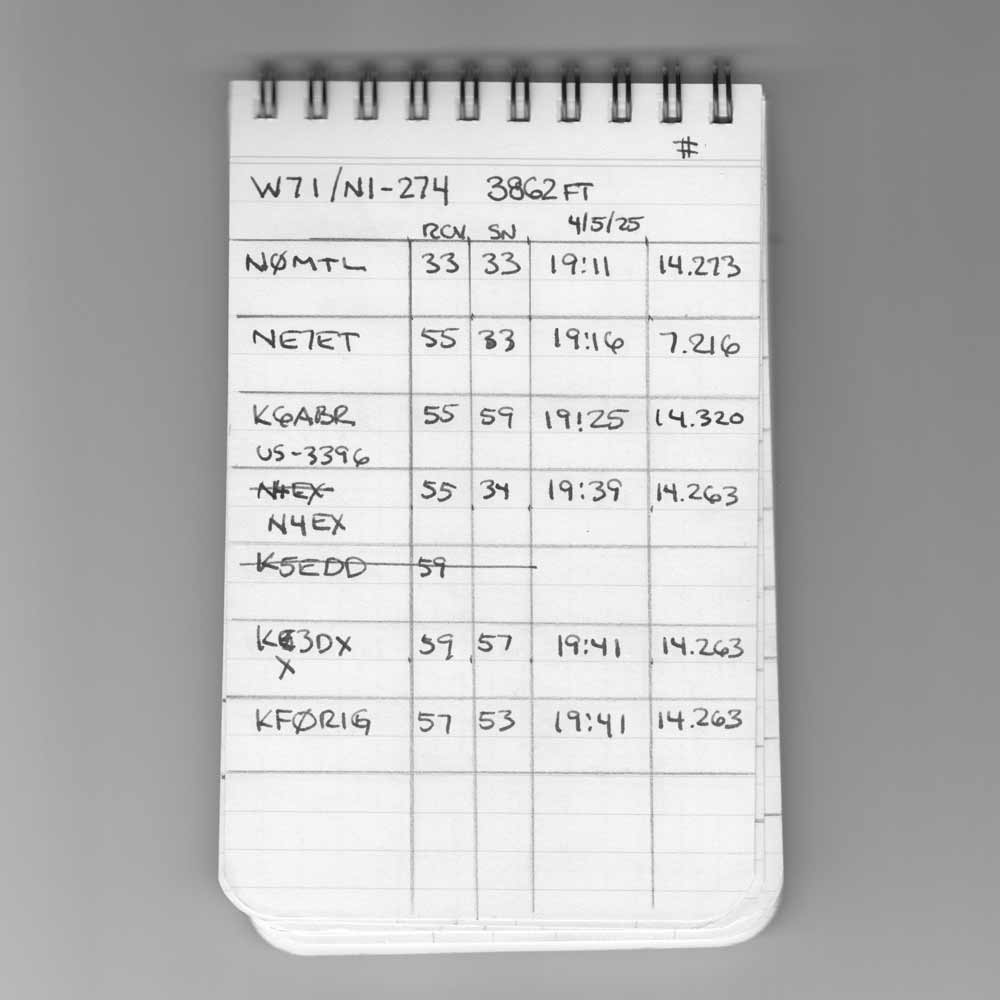
QSOs: 6
Points: 1

For April 4th the weather was prime, though I should’ve started earlier in the morning when it was colder—more on that later. The turn off for the FS roads/trails was completely snowed in (see photo), so I parked off of the hwy a hundred yards up at a better pull around.

Gate for the road up was locked and I’m not sure if it’s seasonal or if it’s just perma-locked. The snow was relatively deep at a good 4-8″ for a majority of the hike. Luckily, I was staying on top of the crust as I didn’t bring snowshoes or even more regrettably, gaiters. The path up is a forest road, making it easy to follow and I assume that holds true in the summer. As I gained altitude and the road became more exposed, the post-holing started.

At some point I could tell that I was just below the activation zone but my planned route had another half mile or so to go. The post-holing was becoming obnoxious so the decision was made to just ascend through the trees straight up the hill. Lots of animal sign up there.

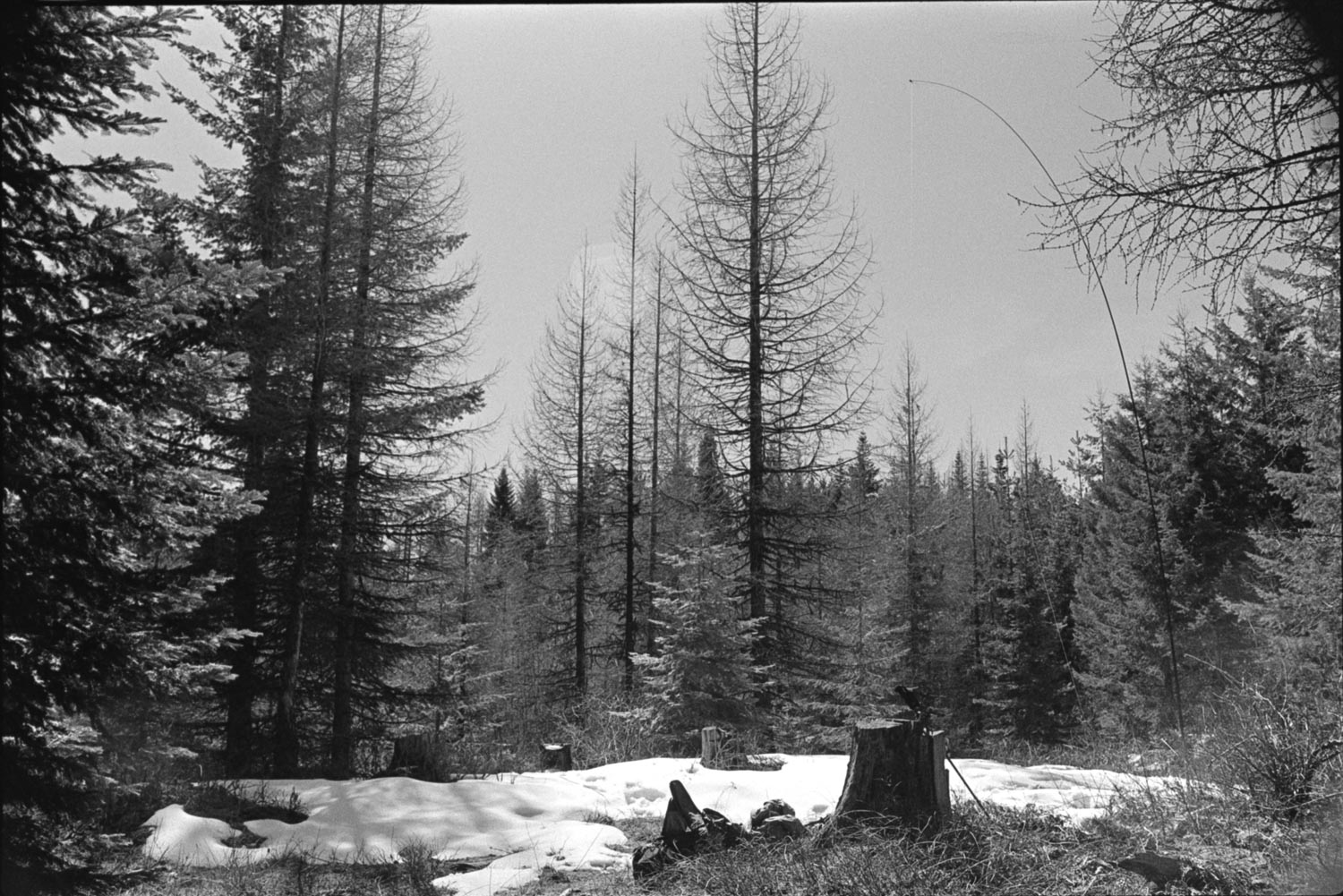
The AZ was relatively clear and made for a nice place to set up an antenna and operate. Not much of a view but I was happy to have some sunshine and a little bare ground.

Band conditions seemed sub-optimal so after making six contacts and not hearing much else, it was time to head back.

At this point the temps had warmed and the sun was high. While 80% of my steps on the way up stayed on top of the firm snow crust, now 80% of my steps were breaking through and I was sinking ankle-to-knee deep. That was tough going and I badly wished I had brought my gaiters. A lesson learned.